Our approach
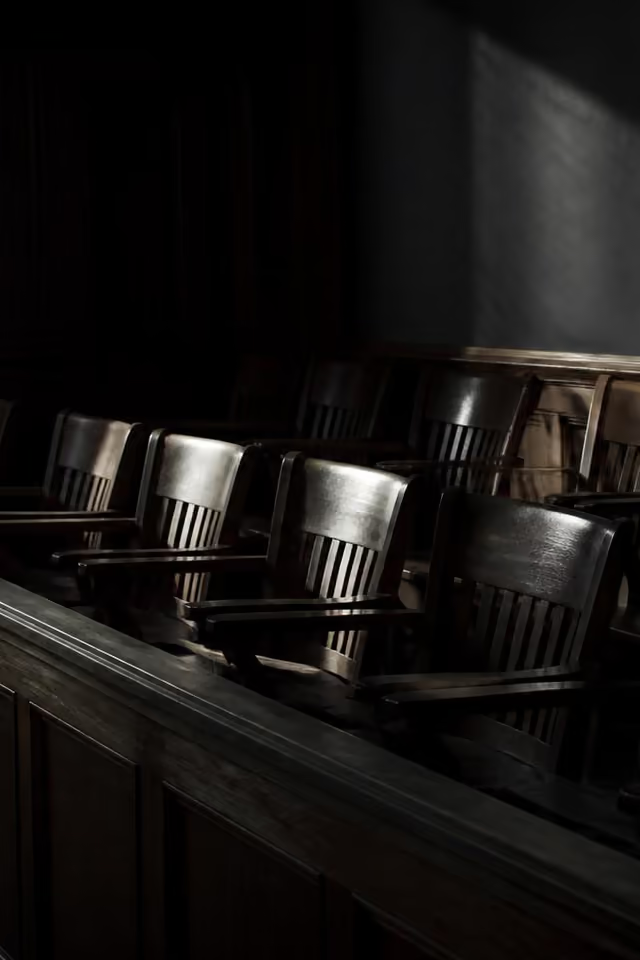
Jurors don't weigh evidence. They recognize stories.
Cognitive science settled this decades ago: jurors organize evidence into a story — characters, motives, consequences — and match that story to the verdict options. The verdict follows the most coherent, most morally compelling account. Our method is to find that story at the very start of a case and build everything toward it.
Section 1
A case about harm asks jurors to calculate. A case about injustice asks them to act.
Two cases can involve identical injuries and feel completely different in a courtroom. When the story is “someone made a mistake and someone got hurt,” jurors do arithmetic — cautiously. When the story is a conscious violation of a known safety rule, made for money, followed by a refusal to accept responsibility, jurors are no longer calculating. They are standing for something. That distinction — harm versus injustice — is the first thing we evaluate in every case we consider taking.
Section 2
We work backward.
The moment of impact is where the defense wants the case to live, because a moment looks like human error. The real story usually starts earlier — sometimes years earlier — at a decision point where someone understood a risk and accepted the danger on other people's behalf.
Safety science calls these latent conditions: the staffing, incentive, oversight, and maintenance decisions made far from the scene that made the harm predictable. Our early case assessment is a structured root-cause analysis. We keep asking why until the answer reveals the choice.
Section 3
Then we find the rule.
Hindsight makes jurors uneasy — no one wants to punish a judgment call that only looks bad after the fact. So we anchor every case to the rule that was already known and that the defendant cannot deny: a safety or fairness standard so plainly right that disputing it in front of a jury is its own indictment. Federal regulations. Industry standards. The defendant's own written policies.
When the evidence shows a conscious choice to break a known rule, the hindsight problem disappears — and the moral weight of the case changes.
Section 4
Built for trial — which is exactly why most cases never need one.
We commit to the justice story before the first pleading. The demand letter tells it. The complaint commits to it publicly. Discovery is aimed at it. Depositions test it. By mediation, the defense is no longer negotiating against a number — it is negotiating against what twelve people will do when they hear the story.
Fewer than two percent of civil cases reach a jury, which makes genuine trial readiness the scarcest, and most valuable, leverage a plaintiff can hold.
Section 5
What a verdict is for.
A verdict compensates a family. It also answers a question the community is quietly asking: is this how we are going to let people be treated? Our cases have produced vehicle recalls, safety-camera mandates, driver phone bans, and stronger carrier vetting — changes that protect people who will never know our clients' names.
Families tell us that mattered as much as the number. That is what we mean by the justice story: the loss is made to count.
Credibility note
Our method builds on Jim's earlier work in Proving Damages to the Jury (with Laura Brown).
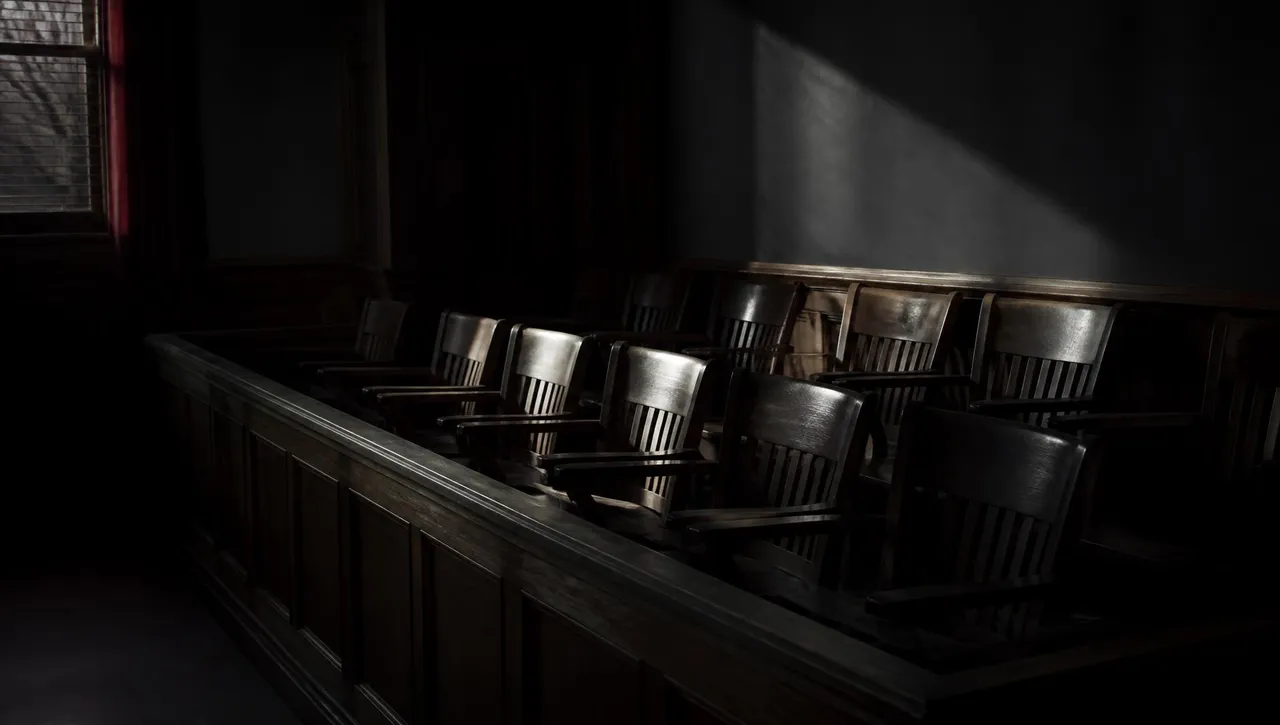
Twelve people, one story, one chance to tell it.
Two ways to bring us a case.
For attorneys
Association, referral, or trial-team support on a catastrophic case.
For families
If you have lost someone, or someone you love will never be the same, talk with us. No cost, no obligation, and no pressure to decide anything today.